Best Jamaican Food in Denver for Authentic Family Recipes
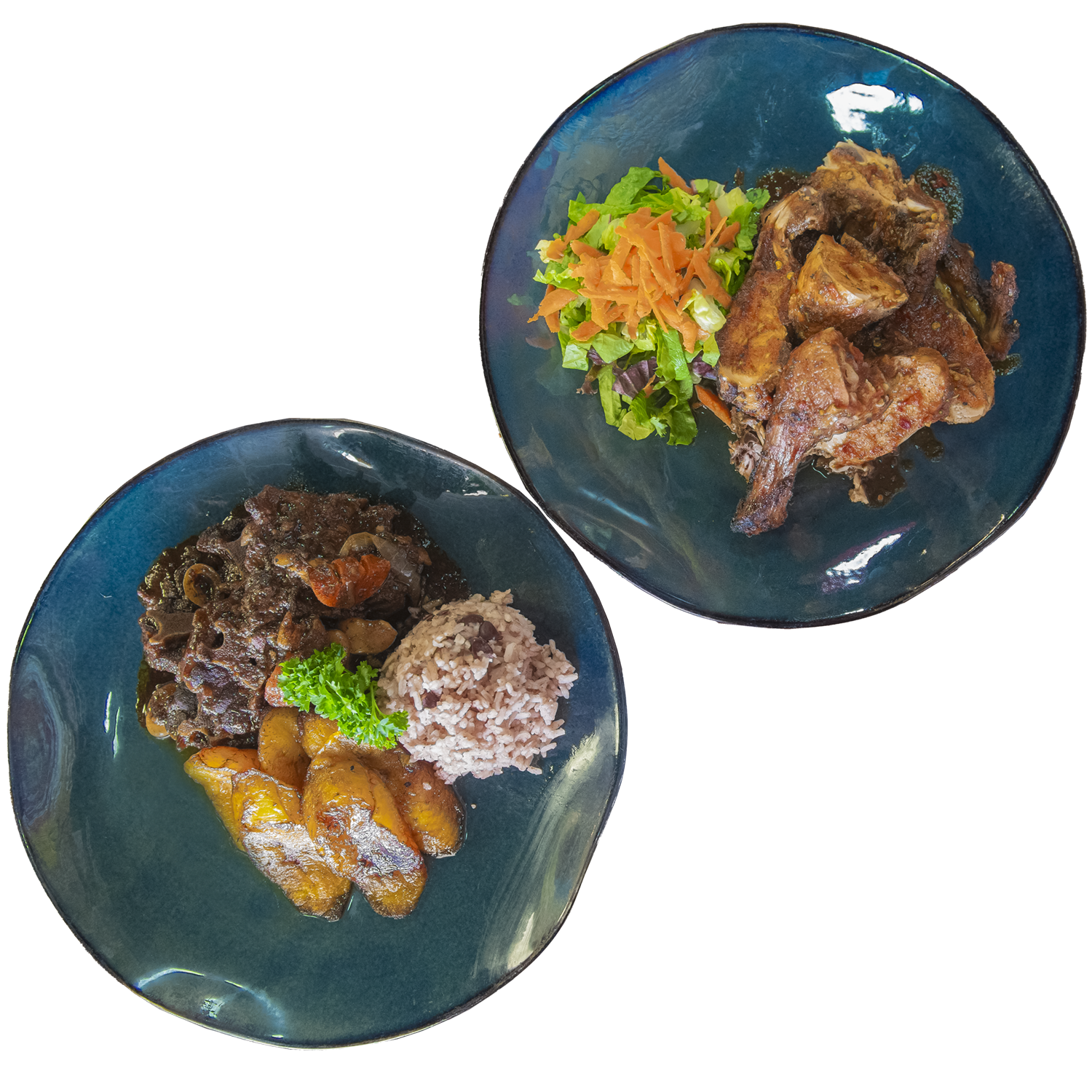
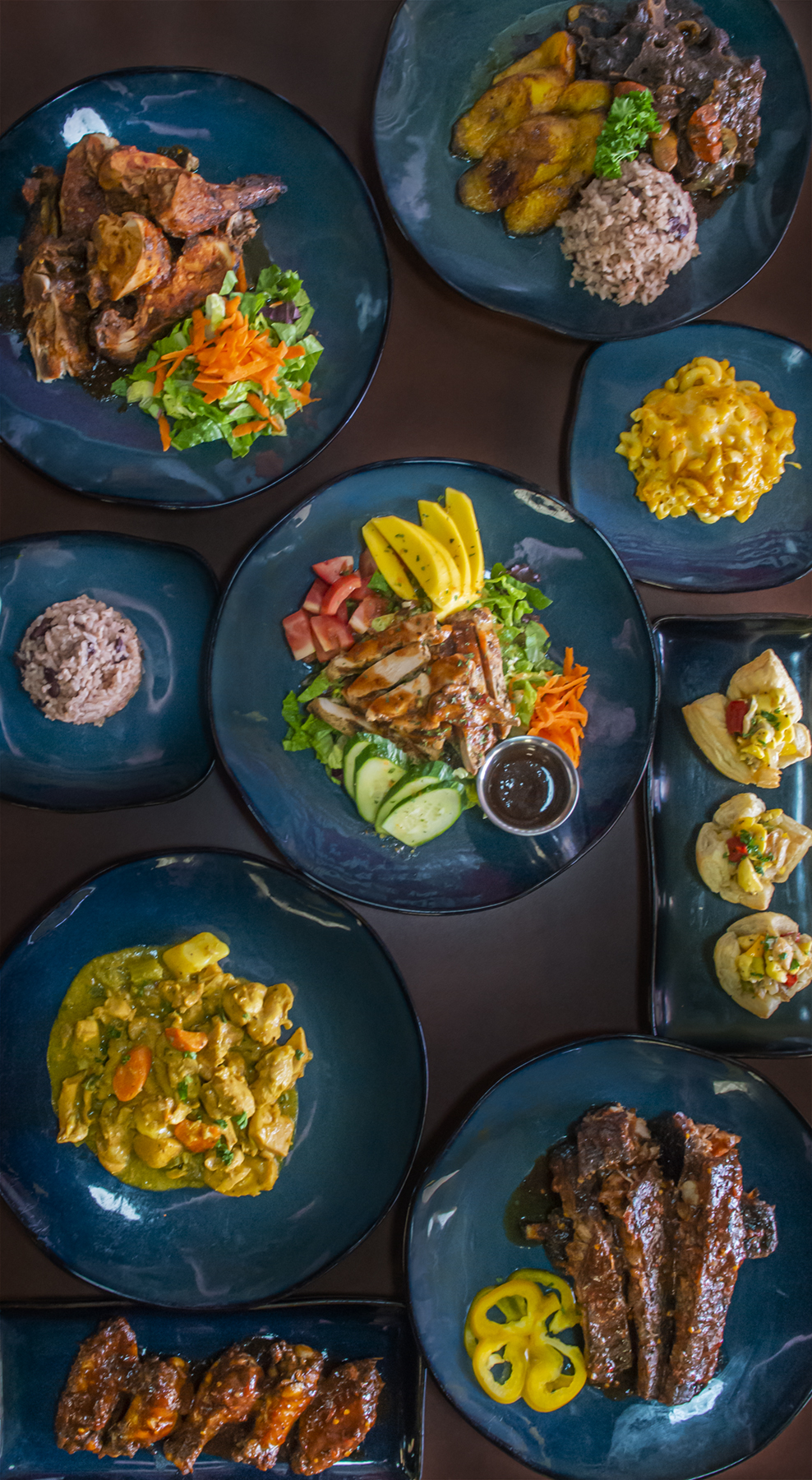
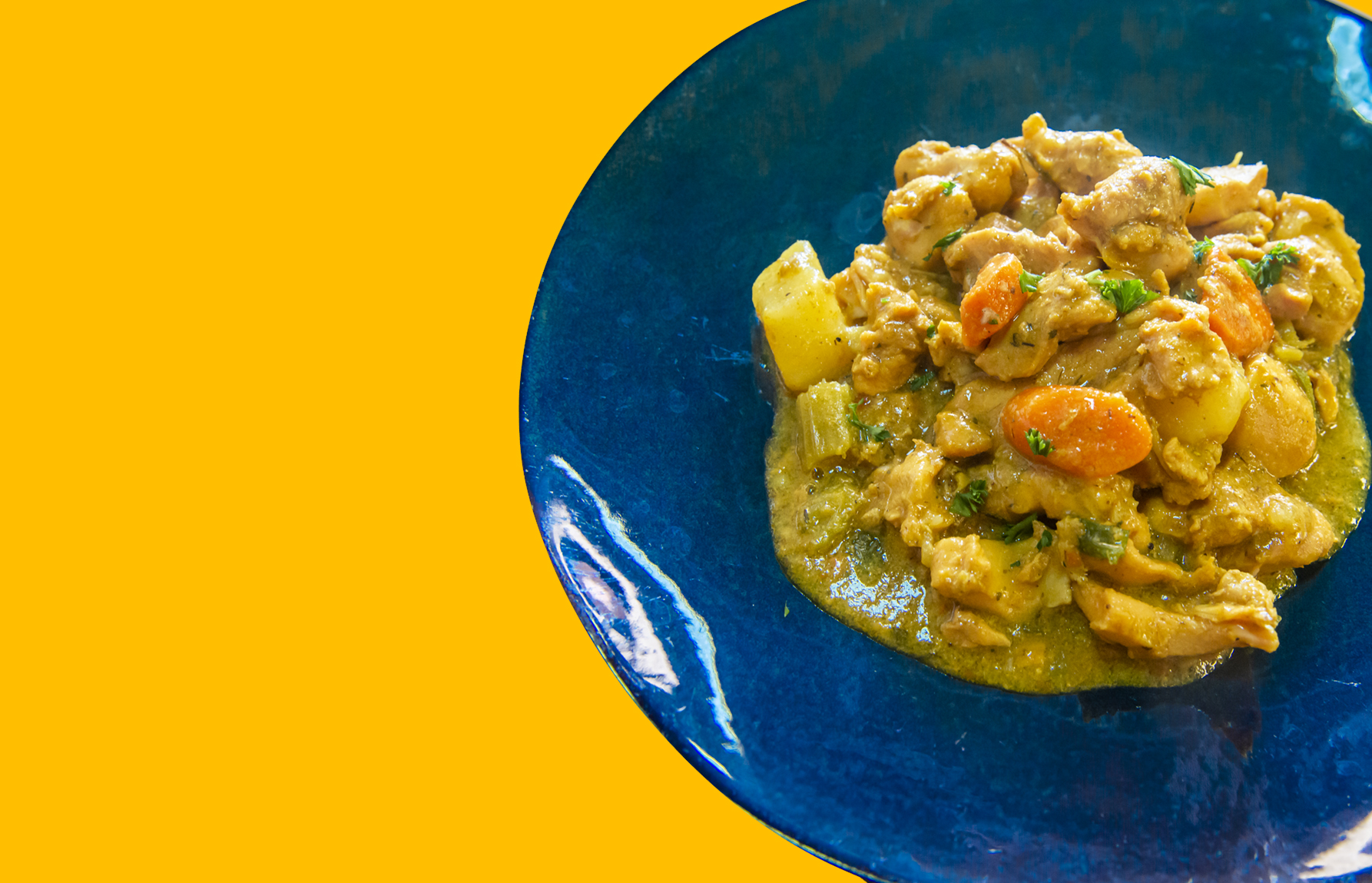
Finding truly memorable Jamaican food in Denver takes a little patience, and a little appetite. The city does not have the sheer concentration of Caribbean restaurants you would find in Brooklyn, South Florida, or parts of Toronto, so the search works differently here. You are not sorting through dozens of jerk spots on a single avenue. You are paying attention to smaller kitchens, family-run counters, weekend pop-ups, and restaurants where the menu reflects a cook's memory as much as a business plan.
That matters because Jamaican food lives or dies on details that are hard to fake. The right amount of thyme in brown stew. Scotch bonnet heat that builds rather than bludgeons. Rice and peas that taste of coconut and allspice, not plain white rice with beans spooned over the top. Oxtail that has spent enough time on the stove to surrender completely. A kitchen can print "authentic" on the menu, but if the flavor is flat, the claim falls apart in the first few bites.
When people search for jamaican food denver, what they usually want is not just a plate of jerk chicken. They want food that tastes like someone cared about it before service started. They want recipes with a family shape to them, dishes that feel inherited rather than assembled. In Denver, the best Jamaican meals tend to come from exactly that kind of place.
What "authentic family recipes" actually mean on the plate
The phrase gets overused, so it helps to be specific. In Jamaican cooking, family recipes are not always secret recipes in the dramatic sense. More often, they are house habits. One cook uses a heavier hand with pimento. Another keeps the curry goat darker and more savory. Someone's grandmother made cabbage with black pepper and carrot, another preferred it softer with more onion. The recipe is not a museum piece. It is alive, repeated, adjusted, and protected because it works.
That is why the best Jamaican food rarely tastes standardized. Even within Jamaica, food shifts from parish to parish and household to household. A proper escovitch fish in one kitchen may lean brighter with vinegar, while another pushes more onion, carrot, and bonnet pepper. Festival can be sweeter or more restrained. Beef patties can have a flaky, delicate shell or a firmer crust that holds up better on a steam table. A family recipe carries these fingerprints.
In Denver, restaurants that get this right often have a certain confidence. They are not sanding off every rough edge to make the food "approachable." The jerk is smoky and hot because jerk should be smoky and hot. The oxtail gravy is deep, a little sticky, and rich enough to seep into the rice. The plantains arrive properly caramelized, not merely warmed through. These sound like small things. They are not small when you are chasing authenticity.
Why Denver's Jamaican food scene rewards curiosity
Denver is an ambitious food city, but it is not a city where Caribbean cooking dominates the local conversation. That creates a challenge and an advantage.
The challenge is obvious. You will likely need to do more homework than you would for tacos, pho, or pizza. The advantage is that the places serving Jamaican food here often depend on loyal regulars rather than trend traffic. That can be a very good sign. A dining room filled with people who know exactly what curry goat is supposed to taste like tells you more than a polished social media account ever will.
A lot of the strongest Jamaican cooking in cities like Denver also crosses categories. A spot may describe itself as Caribbean rather than strictly Jamaican. A caterer may only have a limited weekly menu. A restaurant may serve oxtail, jerk chicken, and patties alongside other island dishes because that is what makes business sense in a market this size. Purists sometimes dismiss that, but they should be careful. Mixed Caribbean menus can still turn out excellent Jamaican staples if the kitchen understands the fundamentals.
The real question is not whether a menu is narrow enough to satisfy a food snob. The question is whether the food tastes cooked from memory, technique, and repetition.
How to tell when a Jamaican kitchen in Denver is the real thing
A few clues tend to separate a serious kitchen from one that is just borrowing the language of Jamaican cuisine.
- The sides matter as much as the mains. Rice and peas, steamed cabbage, fried plantains, and mac and cheese should all have character.
- Heat has purpose. Scotch bonnet or jerk spice should add fruitiness, aroma, and depth, not just blunt pain.
- The menu is not trying to do everything. A focused selection often means the kitchen has chosen dishes it can execute consistently.
- Staff can describe the food plainly and confidently. They know what is spicy, what is rich, what sells out, and what takes time.
- Regulars order with certainty. When people walk in and say, "I came for the oxtail before it runs out," pay attention.
Those signals are not foolproof, but together they form a pattern. If the patties are microwaved into toughness, the jerk tastes like generic barbecue seasoning, and the cabbage feels like an afterthought, the meal is probably not headed anywhere good.
The dishes worth chasing first
If you are new to Jamaican food in Denver, start with dishes that reveal the kitchen's discipline. Flashy food can distract. Braises and staples tell the truth.
Jerk chicken is the obvious benchmark, but it is also easy to misunderstand. Proper jerk is not simply grilled chicken with a spicy rub. It should carry layers of scallion, thyme, allspice, garlic, and chile, with smoke somewhere in the background even when traditional pimento wood is not available. In Denver, where many kitchens have to adapt to equipment and local sourcing, the best versions still find that balance between heat, char, and herbal warmth. If the chicken is juicy and the seasoning penetrates beyond the surface, you are in good hands.
Oxtail is often the strongest test of a family recipe because nobody makes good oxtail by accident. It takes time, restraint, and faith in the process. The sauce should be glossy and beefy, but not muddy. The meat should be tender enough to pull apart without collapsing into dryness. Good oxtail also announces something about the restaurant's values, because it is expensive to prepare and difficult to rush. Kitchens that serve it well usually care deeply about the rest of the menu.
Curry goat comes next. This dish should be earthy and aromatic, with enough spice to wake up the palate but not enough to drown the meat. Goat has a distinct flavor and a proper curry respects it. Thin, one-note curry is common in weak versions. Better versions cling to the meat and carry notes of allspice, onion, garlic, and toasted curry powder.
Ackee and saltfish is the cultural touchstone, though it is not as widely available everywhere, especially outside breakfast service or special menus. When you do find it in Denver, order it. The best versions are delicate, savory, and surprisingly balanced. Ackee has a soft texture that can resemble scrambled egg at a glance, but it has its own mild, buttery quality. Done properly with saltfish, onion, tomato, and pepper, it says a lot about whether a kitchen cooks for Jamaicans or merely cooks at the idea of Jamaica.
Then there are the supporting stars, the foods that make a meal feel complete rather than assembled: coco bread, patties, callaloo, fried plantains, and festival. These often reveal whether the restaurant understands the rhythm of a Jamaican plate.
Five things to order if you want the fullest picture
- Jerk chicken, for seasoning, smoke, and balance
- Oxtail, for patience, depth, and gravy quality
- Curry goat, for spice control and braising skill
- Beef patty with coco bread, for everyday comfort and pastry quality
- Rice and peas with cabbage and plantains, because the sides tell the truth
There is a practical reason for this order strategy. Together, these dishes show whether a kitchen can grill, braise, season, bake, and handle the fundamentals. A restaurant might have one standout item. A truly good Jamaican restaurant in Denver should be able to deliver across the board.
The side dishes are where many restaurants either win you or lose you
Too many diners treat sides as filler. That is a mistake in any cuisine, and a particularly big one here. Jamaican meals rely on contrast. You need the soothing starch next to the spicy protein, the sweet edge of plantain next to the savory gravy, the fresh softness of cabbage beside a darker braise.
Rice and peas should not be bland. They should taste of coconut milk, thyme, and whatever subtle seasoning the cook builds into the pot. They are not supposed to be flashy, but they should never feel anonymous. Good rice and peas can carry gravy beautifully while still holding their own.
Steamed cabbage sounds humble because it is humble, but it is also a quiet test of care. The best versions stay tender with a little bite left in them. Onions lend sweetness. Carrots add color and texture. Black pepper sharpens the whole thing. If the cabbage tastes fresh and balanced, chances are the kitchen has standards.
Plantains deserve more respect than they usually get. They should be ripe enough to caramelize, but not so far gone that they become mush. Properly fried plantains bring sweetness and a little chew, a contrast that matters on a plate dominated by savory and spicy notes.
Mac and cheese appears on some menus as a concession to broad appeal, but in the right hands it earns its place. It can be rich, baked, and distinctly Caribbean in spirit, especially when it sits beside jerk chicken or fried fish.
Authenticity does not always look polished
This is one of the most useful things to remember when looking for the best jamaican food denver has to offer. A room can be simple. Service can be warm but brisk. Packaging might be practical rather than pretty. What matters most is whether the food arrives with integrity.
Some of the best family-style cooking anywhere comes out of kitchens that spend their money on ingredients and labor, not décor. The gravy-stained takeout container, the hand-written specials board, the sold-out sign taped to the register by midafternoon, those things do not guarantee quality, but they often accompany it.
Denver diners who are used to highly curated restaurant experiences sometimes misread this. They see a modest storefront and assume the food will be ordinary. Then the first forkful of curry goat lands and changes the whole equation. Food built on long cooking and inherited technique rarely needs much performance around it.
Ask questions, but ask the right ones
If you want to eat well, it helps to talk to the staff in a way that respects the food. Instead of asking, "What's your least spicy dish?" Ask which dishes best represent the kitchen. Instead of chasing customization, ask what they recommend as it is usually served. If a restaurant says the jerk has real heat, believe them. If the oxtail sells out early, order it early.
There is also value in asking about the day's specials or weekend items. Family-recipe cooking often appears there, not on the standard menu. Soups, stews, fish preparations, and breakfast plates can reveal another layer of the restaurant's identity. In many places, the regulars know this and order accordingly.
One thing experienced diners learn quickly is that authenticity and consistency sometimes pull against convenience. A dish that takes hours to cook may not be available late in the evening. A small kitchen may move slower during a rush. A patty might be gone by the time you arrive. Those are not necessarily defects. They are often signs of a menu made in real quantities by real people.
Jerk is not the whole story
The public image of Jamaican cuisine in the United States often begins and ends with jerk. That is understandable. Jerk is bold, memorable, and easy to market. But if you stop there, you miss the breadth that makes Jamaican food one of the most satisfying culinary traditions in the Caribbean.
There is subtlety in dishes like brown stew chicken, where caramelized sugar can deepen the sauce and give the stew an almost haunting richness. There is comfort in soups that stretch ingredients into something restorative and deeply flavored. There is precision in escovitch fish, where acid, heat, and fried texture have to meet at exactly the right point.
Denver's best Jamaican kitchens, even when their menus are not huge, usually show more than one register. They know when to push smoke and chile, and when to let onion, thyme, and stock do the work. That range is part of authenticity too.
A note on spice, smoke, and expectation
People often approach Jamaican food with one of two bad assumptions. Either they expect everything to be painfully hot, or they expect "Caribbean" flavors to mean sweet and mellow. Neither view is particularly helpful.
Jamaican cooking can absolutely be hot, especially when Scotch bonnet is involved, but the best versions use heat as one note in a broader chord. You should notice fruitiness, herbs, smoke, pepper, and savoriness. If a dish is so fiery that you taste nothing else, something is off balance.
Smoke is another area where adaptation matters. Not every Denver kitchen has access to traditional methods or wood, and altitude can complicate cooking in its own ways. A smart cook adjusts without losing the spirit of the dish. That might mean using different smoking equipment or refining the marinade and finishing method to capture enough char and aromatic depth. Authenticity is not frozen in one technical setup. It is fidelity to flavor and intent.
How locals separate a decent meal from a destination meal
The difference usually comes down to return value. A decent place gives you a satisfying lunch. A destination place creates cravings. You think about the gravy later. You plan around the hours because you know certain items disappear. You bring a friend the next time because you need someone else to try the patties or the cabbage or the curry goat that was better than you expected.
That kind of loyalty is earned. In Denver, where Jamaican restaurants have to build their audience across many kinds of diners, the strongest spots do it through repetition and trust. They may not be the loudest names in the city's food scene. They may not chase novelty. What they do, instead, is feed people in a way that feels rooted.
You can taste that rootedness when a dish lands with complete internal logic. The chicken is spicy, so the rice steadies it. The cabbage brightens the plate. The plantains soften the edges. The gravy ties everything together. Nothing feels random. Meals built from family recipes tend to have that coherence because they evolved as whole meals, not as disconnected menu items.
If you are ordering for a group
Jamaican food shines in shared meals. It is one of the easiest cuisines for a table to explore together because the contrast between dishes is part of the pleasure. One person gets jerk chicken, another gets curry goat, someone insists on oxtail, and before long the entire table is trading bites and deciding whose order wins.
Family-style ordering also helps when you are navigating a smaller Denver menu. If ackee and saltfish is available, share it. Split patties. Make sure there are enough sides to go around. You will understand the kitchen much faster that way than if everyone orders the same familiar thing.
It also mirrors the spirit of the food. Jamaican cooking, at its best, feels social. It invites passing plates, comparing sauces, arguing over who got the better plantains, and quietly reaching for one more forkful of rice soaked in gravy.
The best Jamaican food in Denver is usually the food with a point of view
That may sound abstract, but you know it when you taste it. The food is not trying to mimic every other Caribbean place. It is not toned down into blandness or inflated into gimmickry. It knows where it comes from.
Sometimes that point of view shows up in a grandmother's method for browning chicken before stewing it. Sometimes it is a jerk marinade that leans heavier on thyme and scallion. Sometimes it is simply the discipline to serve fewer items and make them properly. Whatever form it takes, it creates trust.
If you are serious about finding the best jamaican food denver can offer, follow that trust. Look for the places where regulars return, where https://griffinrnym292.greyhavendaily.com/posts/jamaican-food-in-denver-a-caribbean-taste-in-the-mile-high-city the staples are treated with respect, and where the food tastes as though somebody has been cooking it the same careful way for years. That is usually where the family recipes live. And that is usually where the best meal is waiting.
Reggae Pot Jamaican Grill
Address: 2243 S Monaco St Pkwy #104, Denver, CO 80222
Phone number: +17204102956
FAQ About Jamaican Food Denver
What is typical Jamaican food?
Typical Jamaican food features bold, vibrant flavors created by blending African, Taino, European, and Asian influences.
What is a famous Jamaican dish?
Ackee and saltfish is Jamaica's national dish, made by sautéing the soft local ackee fruit with salted cod, onions, tomatoes, and spicy Scotch bonnet peppers.
What food is most popular in Jamaica?
The most popular and famous food in Jamaica is Jerk Chicken, celebrated worldwide for its smoky, spicy flavor.